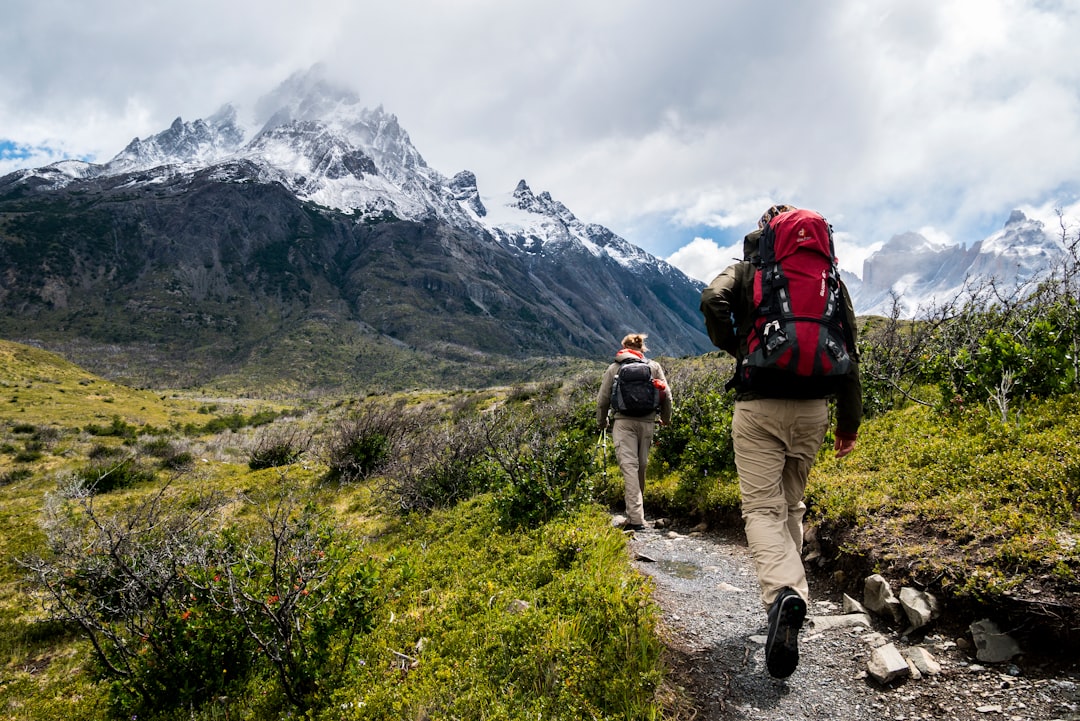
Choosing the right hiking backpack is essential for any outdoor enthusiast. Whether you’re planning a day hike or a multi-day trek, the right backpack can make all the difference in your comfort and overall experience. At hikinggearheads.com, we understand the importance of selecting the perfect gear, and that starts with the right backpack. Here’s a step-by-step guide to help you make an informed decision.
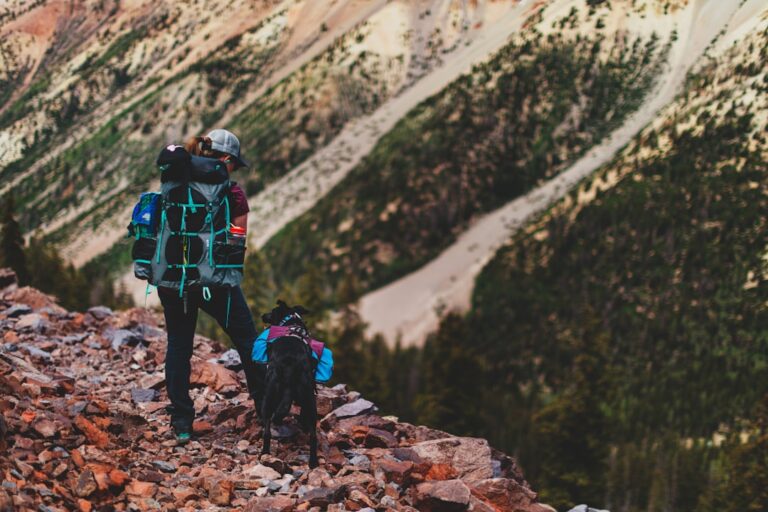
First, consider the type of hiking you plan to do. Are you going for a short day hike, or are you gearing up for a longer backpacking trip? This will determine the size and features you need in a backpack. Daypacks typically range from 15 to 30 liters, while backpacks for multi-day trips can range from 40 to 80 liters. Knowing the duration of your hike will help narrow down your options.
Next, think about the weight of the backpack. A lighter pack is generally more comfortable, especially on longer hikes. However, lighter packs may sacrifice some features or durability. Look for a balance between weight and functionality. Consider the materials used in the backpack; high-quality nylon or polyester can provide durability without adding excessive weight.
Fit is another crucial factor. A backpack that doesn’t fit well can lead to discomfort and fatigue. When trying on a backpack, pay attention to the following:
– **Torso Length**: Measure your torso from the base of your neck to your hip bones. Many backpacks come in different sizes to accommodate various torso lengths.
– **Hip Belt**: The hip belt should sit comfortably on your hips, transferring the weight of the pack away from your shoulders. Adjust the belt to ensure it fits snugly.
– **Shoulder Straps**: The shoulder straps should contour to your shoulders without digging in. Look for padding that provides comfort without bulk.
Ventilation is also important, especially in warmer climates. Look for backpacks with mesh back panels or ventilation channels to help keep your back cool and dry. This feature can significantly enhance your comfort during long hikes.
Storage options are another consideration. Think about what you’ll be carrying and how you want to access it. Do you need side pockets for water bottles? A front pocket for quick access to snacks? Some backpacks come with compartments for hydration reservoirs, which can be a convenient way to stay hydrated on the go.
Durability is key for any hiking gear. Look for reinforced seams and high-quality zippers. A backpack that can withstand the rigors of the trail will save you money in the long run. Check reviews and ratings on hikinggearheads.com to gauge the durability of different models.
Finally, consider additional features that may enhance your hiking experience. Some backpacks come with built-in rain covers, adjustable straps for securing gear, or even attachment points for trekking poles. Think about what features are essential for your hiking style.
Step-by-step plan:
Step 1: Determine the type of hiking you will do to choose the appropriate size.
Step 2: Assess the weight of the backpack and find a balance between comfort and functionality.
Step 3: Ensure a proper fit by measuring your torso and adjusting the hip belt and shoulder straps.
Step 4: Evaluate storage options and additional features that suit your hiking needs.
In conclusion, choosing the right hiking backpack involves careful consideration of various factors, including size, weight, fit, ventilation, durability, and features. By following this guide, you can confidently select a backpack that will enhance your hiking adventures. Visit hikinggearheads.com to explore a wide range of backpacks tailored to meet your specific needs. Happy hiking!